Emergency Telecommunications
Training for high-reliability mobile communications, satellite relay, and 911 tactical backup systems — so dispatchers, search-and-rescue teams, and emergency management stay connected when towers fail.
Cascadia Mesh · Sound & Anchor Cascadia Mesh
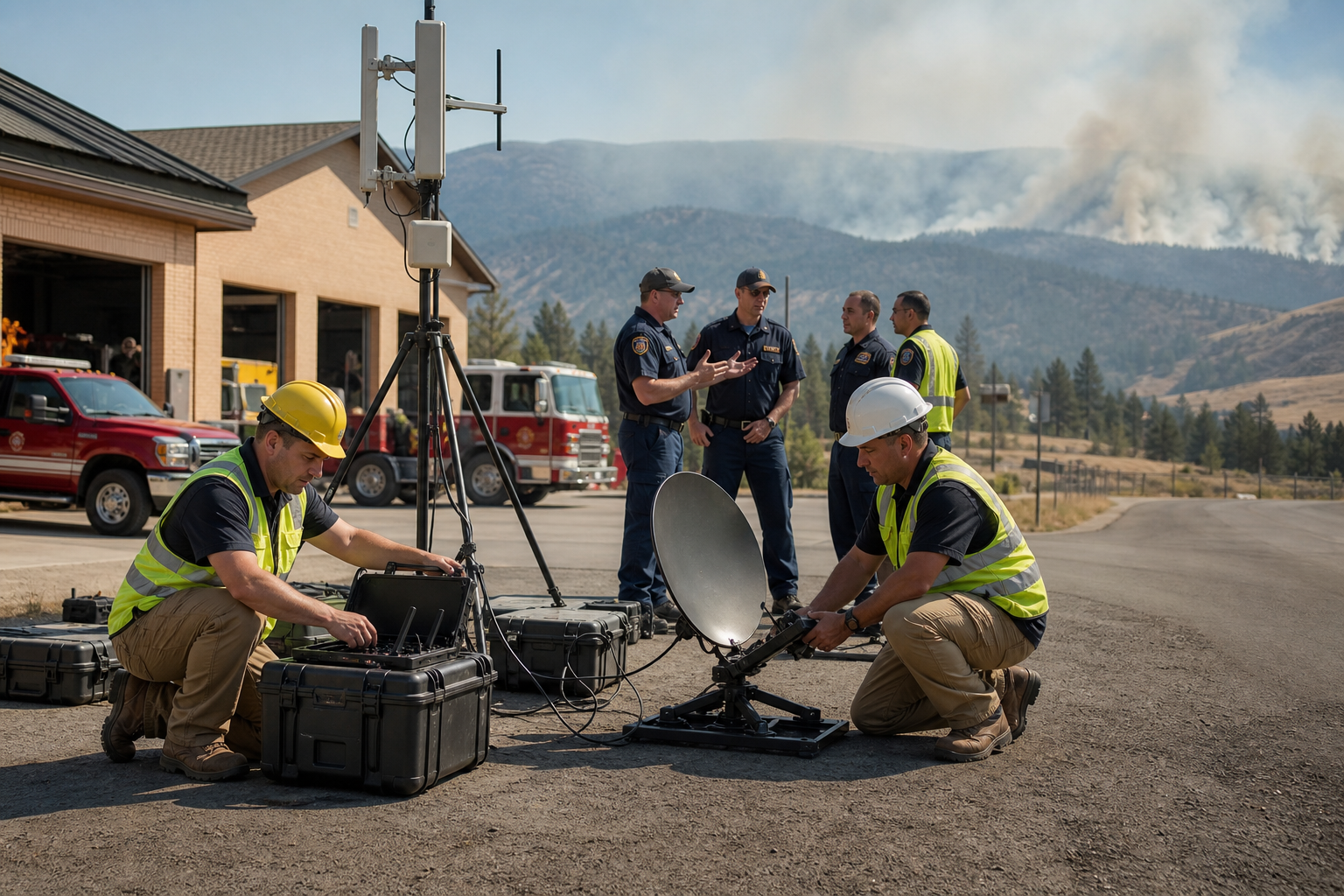
Bridging emergency response and infrastructure engineering — training the specialized workforce first responders depend on when disaster strikes.
When wildfires, flash flooding, or extreme storms hit, first responders lead from the front. To save lives they need functional communication networks, safe structural access, clean water systems, and stable power.
Project America builds physical community support systems and trains engineers, emergency telecommunications specialists, and disaster recovery technicians who deploy alongside — and directly support — our first responders.
First responders cannot operate effectively in the dark or without communication. Our programs train the critical second line of defense.
Training for high-reliability mobile communications, satellite relay, and 911 tactical backup systems — so dispatchers, search-and-rescue teams, and emergency management stay connected when towers fail.
Rapid structural safety assessment, emergency bridge repair, and water diversion design that clears safe access for rescue vehicles before teams enter damaged corridors.
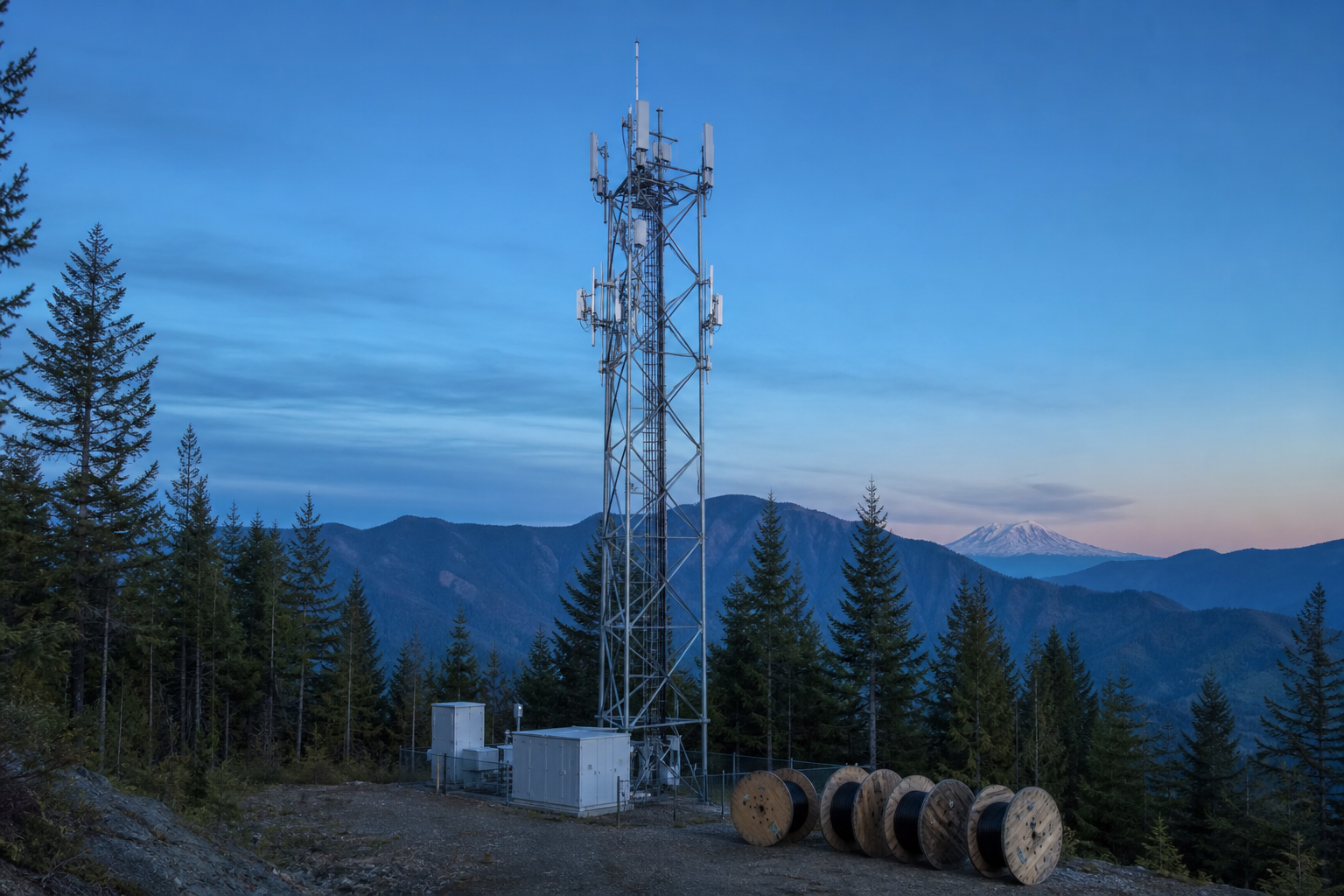
During catastrophic fires or floods, cell towers often fail or lose power. We train technicians to deploy off-grid, rapidly deployable telecommunications hubs, emergency satellite relays, and localized mesh networks that keep 911 and field teams online throughout an event.
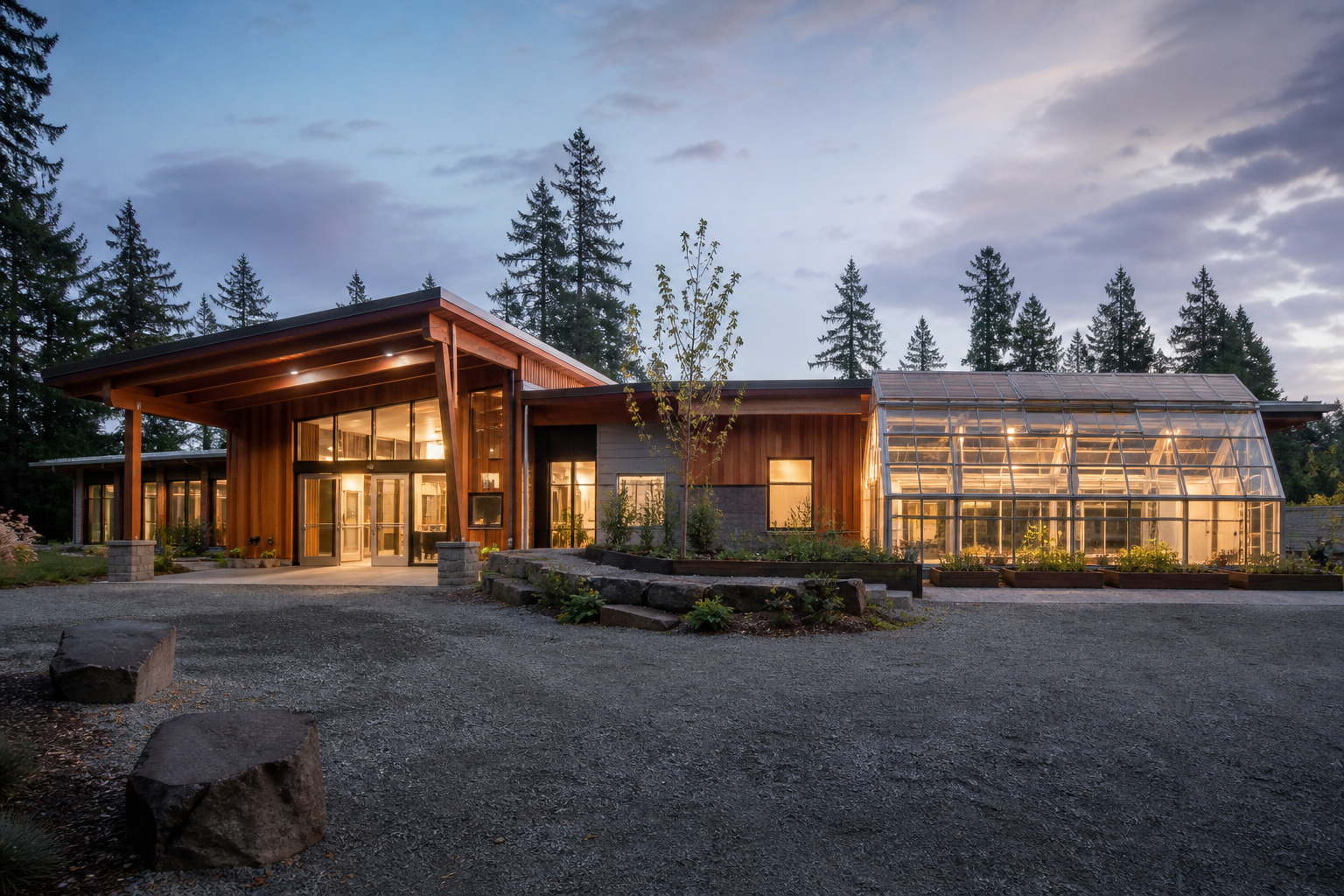
Before rescue teams enter fire-damaged structures or flooded transit corridors, they need expert evaluation. Our programs equip civil and structural professionals with disaster response protocols for immediate safety assessments, soil stability review, and temporary bridges or access routes.
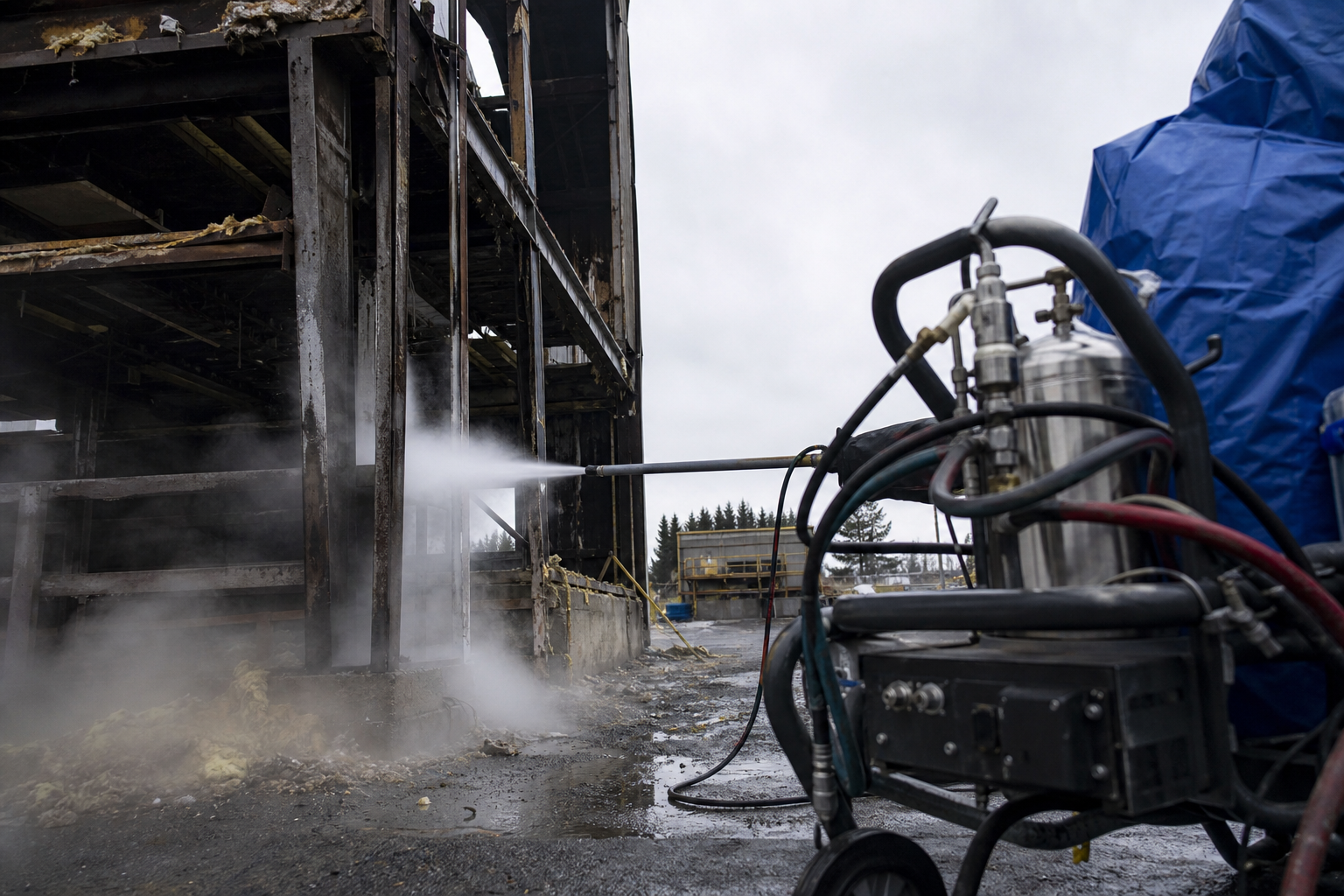
Disasters do not end when the fire is out or the water recedes. We provide hands-on community support and workforce training in post-fire remediation, flood and stormwater management, and microgrid backup power deployment for hospitals, shelters, and relief stations.
Soil stability, toxic runoff prevention, and non-combustible rebuild components.
Modular retention, culvert restoration, and gravity-fed drainage for homes, farms, and roads.
Rapid 1 MW+ mobile generators and storage banks for hospitals, shelters, and relief stations.
Disaster preparedness, emergency wireless technology, physics, and hydrology — inspiring careers in public safety, technology, and civil engineering.
Access to high-capacity clean power, staging grounds, and technical mobile equipment during county-wide response operations.
Education on fire-resistant construction (ICF, shotcrete shells) and flood-tolerant design so rebuilt structures last for generations.
When emergency services rush toward a crisis, our engineers and technicians make sure the roads hold, the power stays on, and the radio channels remain open.Peninsula Green Restoration
First responder agencies, municipalities, and technical professionals interested in disaster response engineering programs are invited to connect.
Project America · 501(c)(3) Non-Profit · projectamerica.online